Prahran & Malvern Tramways Trust · Elsternwick
Prahran & Malvern Tramways Trust.
Before it became The Substation, this Rusden Street landmark had a very practical purpose: powering electric trams. Its story belongs to the Prahran & Malvern Tramways Trust, and to a time when new tram lines were reshaping Melbourne’s suburbs.
Follow the history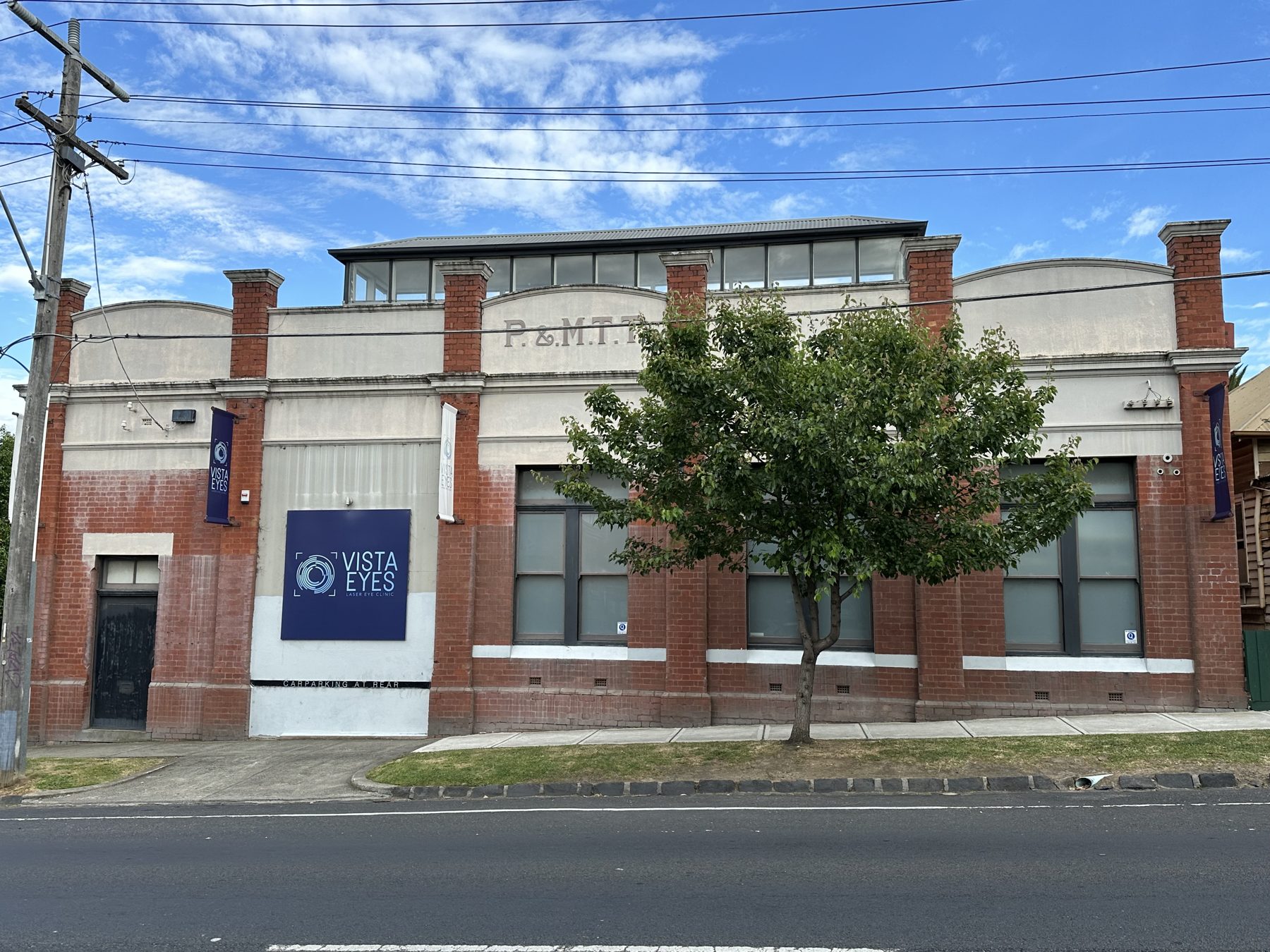
A suburban ambition
Local beginnings. A lasting network.
Established under the Prahran & Malvern Tramways Trust Act 1907, the Trust was a municipal undertaking created to build and operate electric tramways. Its first services opened on 30 May 1910, along High Street and via Glenferrie and Wattletree Roads.
Under chairman Alexander Cameron, the network expanded beyond its original municipalities. New lines connected communities across Melbourne’s eastern and south-eastern suburbs, including Elsternwick.
On 2 February 1920, the Trust’s tramways passed to the Melbourne & Metropolitan Tramways Board. The Trust’s independent life was relatively short, but the lines it built helped form the tram network that Melbourne knows today. Read the source history.
From the first lines to Rusden Street
A place in the tramway story.
- 1907
The Trust is established
Legislation creates the Prahran & Malvern Tramways Trust to deliver electric tramways for its constituent municipalities.
- 1910
The first passengers
Services begin on 30 May, with the depot, offices and workshops at Coldblo Road, Malvern.
- 1913
The tramway reaches Elsternwick
The Elsternwick tramway opens on 13 November, linking Balaclava Junction with Elsternwick railway station via Hawthorn and Glen Huntly Roads.
- 1914
A new source of power
The Rusden Street substation is completed in December, in preparation for the planned extension of the Elsternwick line to the beach at Point Ormond.
- 1920
Part of a bigger system
On 2 February, the Melbourne & Metropolitan Tramways Board takes over the Trust’s network. The substation continues its working life beyond the Trust itself.
The former Elsternwick tram substation
Power behind the journey.
Electric trams needed more than tracks and overhead wires. Substations converted electricity from the supply network into direct current suitable for tram operation, keeping power close to the lines it served.
Built in 1914 at 6–8 Rusden Street, the Elsternwick substation gave that infrastructure an architectural presence: red brick, stucco detailing and the Trust’s initials above the street.
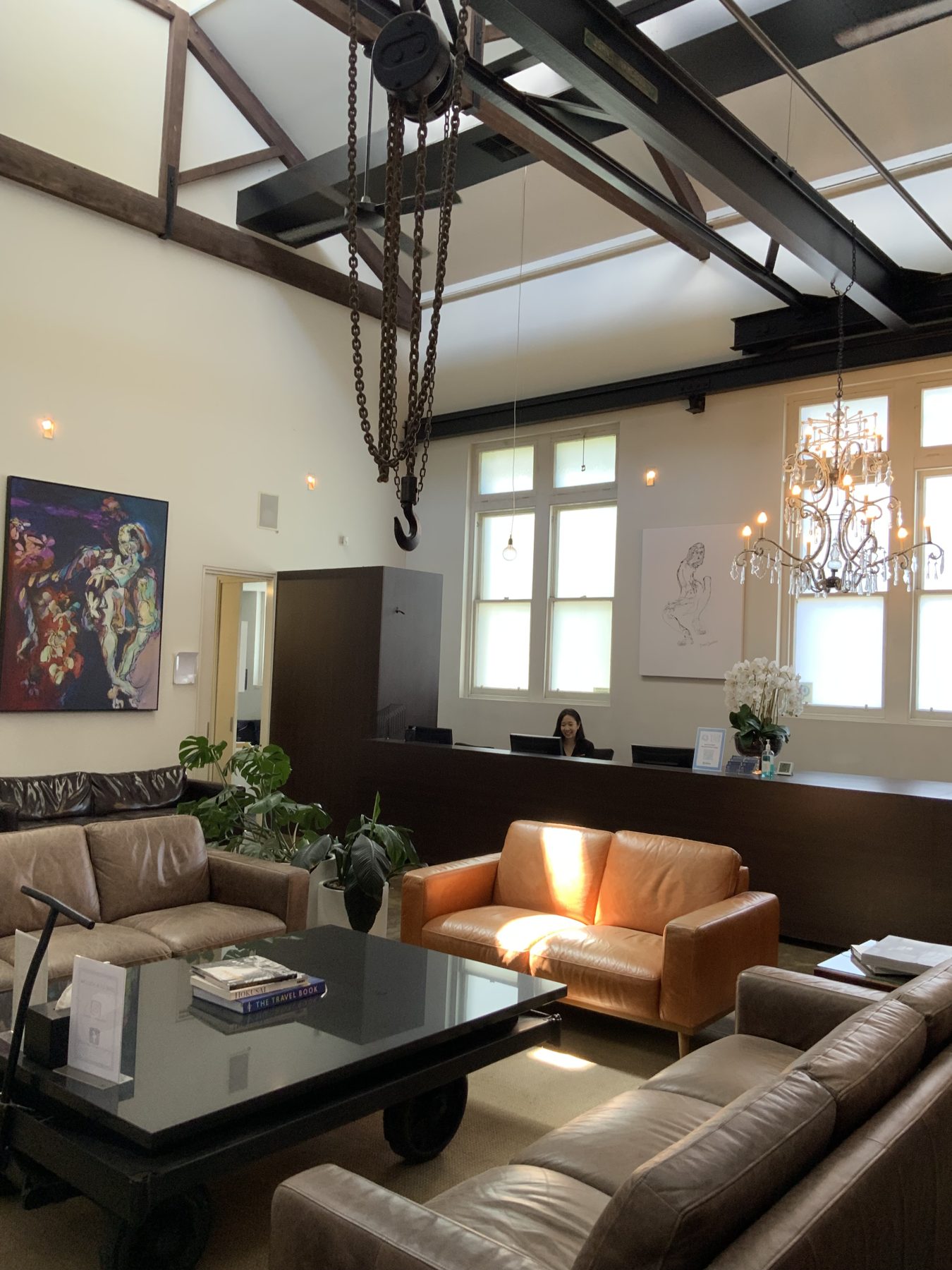
Inside, the double-height space, timber trusses, steel crane rail and chain hoist recall the building’s industrial purpose. These details connect its later uses to its original working life.
The building’s later chapters
The trams moved on. The building remained.
The substation was decommissioned in the late 1960s and became a laser eye clinic in 1996. Today, it forms part of the wider landholding at 1 Ross Street and 4–10 Rusden Street, Elsternwick.
The building is on the Victorian Heritage Register. Read the heritage and planning disclosures for its next chapter.